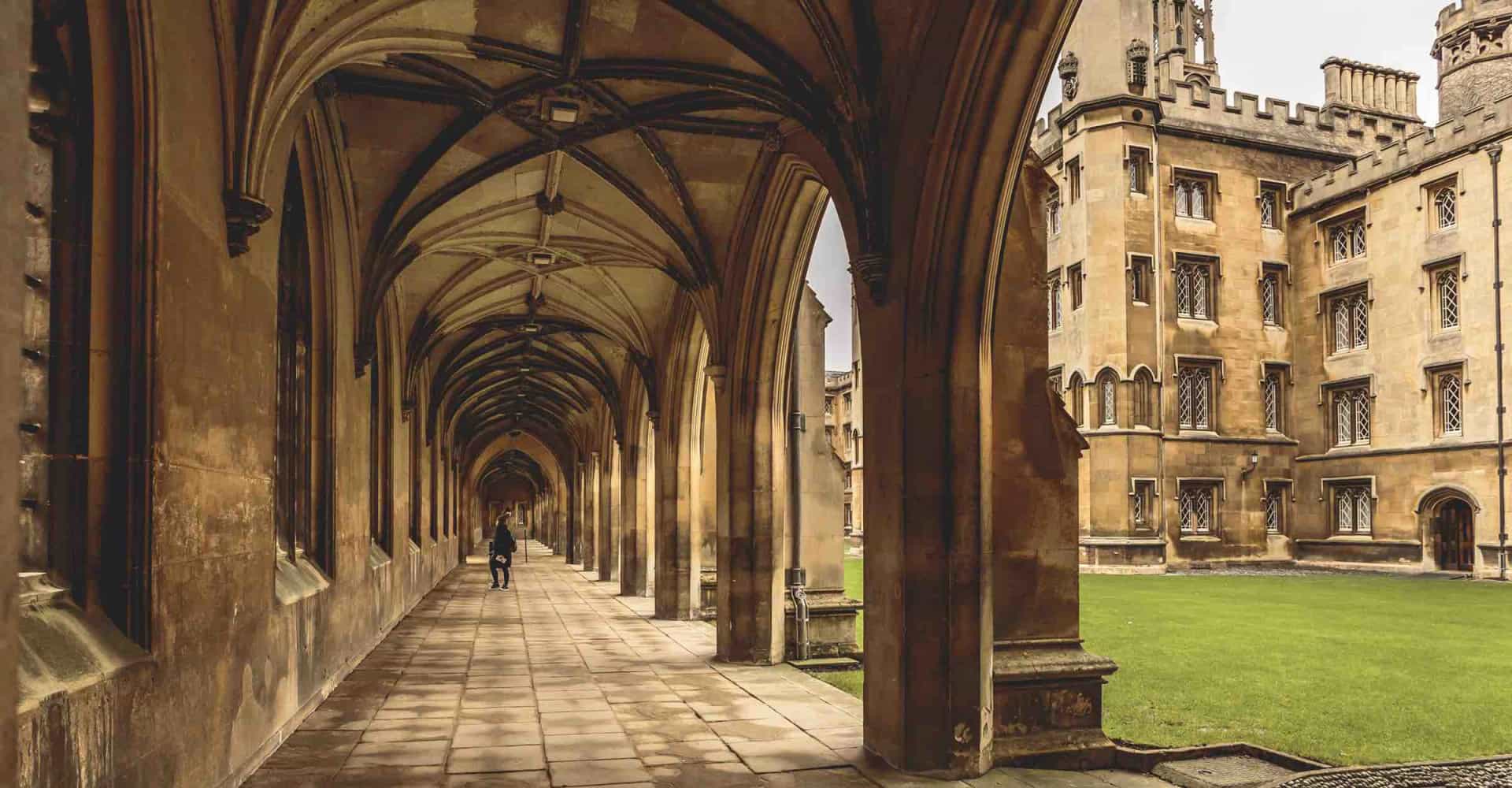
The Oxford Neuroscience Summer Schools offer a unique opportunity for young learners aged 8 to 12 to engage with the fundamental principles of neuroscience. Through a carefully designed curriculum, participants will explore the workings of the brain and nervous system, fostering an early interest in science and critical thinking. This program is facilitated by reputable providers, ensuring a high-quality educational experience that encourages curiosity and intellectual growth.
Oxford offers a focused set of Neuroscience summer programmes for Mon Dec 08 2025 00:00:00 GMT+0100 (Central European Standard Time), providing early exposure to structured study and subject-specific development.
The teaching approach within the neuroscience summer schools emphasizes an inquiry-based learning model, allowing young students to explore complex concepts through hands-on activities and experiments. Topics may encompass brain structure, sensory processes, and the fundamentals of neurobiology. This contrasts with typical school provisions, which often prioritize rote memorization over experiential learning. The focus on engaging students in discussions fosters critical thinking and encourages them to ask questions, deepening their understanding of how the brain functions.
A dynamic study rhythm characterizes the programme, blending structured lessons with opportunities for independent exploration. Classrooms are designed to feel collaborative and stimulating, where students are encouraged to share ideas and work together on projects. The balance of guided instruction and self-directed activities enhances the overall experience, empowering students to take ownership of their learning. This combination not only cultivates a passion for neuroscience but also sharpens their analytical and problem-solving skills.
Ages 8 to 12 are the target demographic for these summer schools. This age group is ideal for introducing foundational concepts in neuroscience, as children are naturally curious and eager to engage with scientific topics. The curriculum is tailored to meet the cognitive and developmental needs of this cohort, ensuring that material is accessible yet challenging enough to spark interest and enthusiasm for further study.
The unique aspect of these summer schools lies in their integration of cutting-edge neuroscience research with an age-appropriate curriculum. Unlike conventional summer camps or general educational programmes, this initiative focuses specifically on the brain and its functions, utilizing expert knowledge from the field. The rich academic environment of Oxford further enhances the experience, providing a historical and intellectual backdrop that inspires students to delve deeper into the subject matter.
Fees vary by provider and course.
When you’re ready, you can browse providers or compare courses that match your interests.
Last updated: 27/01/2026
| Course | Provider | Subject | Location | Duration | Fees | Short Description | Link |
|---|---|---|---|---|---|---|---|
| Pre-University Preparation Medicine | Bucksmore Education | Medicine, Sciences, Psychology, Neuroscience, Exam Preparation, University Preparation | Oxford | 2 or 4 weeks | 3195 | This programme prepares students to excel in their chosen subjects within the highly competitive higher education environment. Students choose one university-level subject taught at a first-year undergraduate level. | View |
| Experience Psychology & Neuroscience Academy | Oxford Scholastica Academy | Psychology, Neuroscience, Sciences, Social Sciences, Humanities | Oxford | 2 weeks | 6995 | Fascinated by the human mind, thought and behaviour? If you’re thinking of studying psychology, this course will give you a great head start. | View |
| Computational Psychology and Artificial Intelligence | Lady Margaret Hall University of Oxford | Psychology, Neuroscience, Artificial Intelligence, Sciences, STEM | Oxford | 3 Weeks | 4384 | How does the brain process information, make decisions, and learn? Computational Psychologists seek to answer these questions by using algorithms and mathematical models to simulate and analyse the mechanisms behind mental processes. | View |
| Neuropsychology (The Oxford Tradition) | Oxbridge Academic Programs | Neuroscience, Psychology, Sciences | Oxford | 2 or 4 weeks | $7,395 for one session; $12,595 for combined session | Using cognitive, experimental, and clinical approaches, students explore the structure and function of the brain as it relates to cognitive process and behavior. Students address the principles of neuroscience, neurology, and psychiatry, learn select diagnostic techniques, and study brain injuries and mental disorders. | View |
| Psychology in Oxford for Ages 16-18 | Immerse Education | Psychology, Neuroscience, Sciences, Social Sciences | Oxford | 2+ weeks | 7495 | Unravel the human mind in Oxford, a hub for groundbreaking psychological research and theory. | View |
| Social neuroscience and leadership |
Saïd Business School | Leadership, Business, Social Sciences, Psychology, Neuroscience, Arts | Oxford | 14 days | 8995 | The Oxford Saïd Teen Leadership Summer Academy is a 14-day immersive leadership and business programme for ambitious students aged 15–18. Hosted in Oxford, it combines academic excellence, real-world business challenges, and a transformational cultural experience designed to shape future leaders and changemakers. | View |
| Medicine | ISSFT | Medicine, Sciences, Psychology, Neuroscience | Oxford | 2 Weeks | 6995 | The Medicine course at ISSFT introduces students to the fundamentals of healthcare and medical science, exploring anatomy, physiology, pathology, and the body’s key systems through engaging lessons and case studies. It also examines medical ethics, public health, and emerging technologies, giving students valuable insight into studying and practising medicine in today’s world. | View |
| Medicine (Oxford) | Oxford Royale | Medicine, Neuroscience, Biology, Sciences | Oxford | 2 weeks | 6995 | Oxford Royale’s Oxford Medicine Summer School offers an immersive introduction to medicine, covering biology, genetics, neuroscience, and clinical skills. Students gain hands-on experience through OSCE-style simulations, case-based learning, and research projects, while exploring medical careers and the application process. | View |
