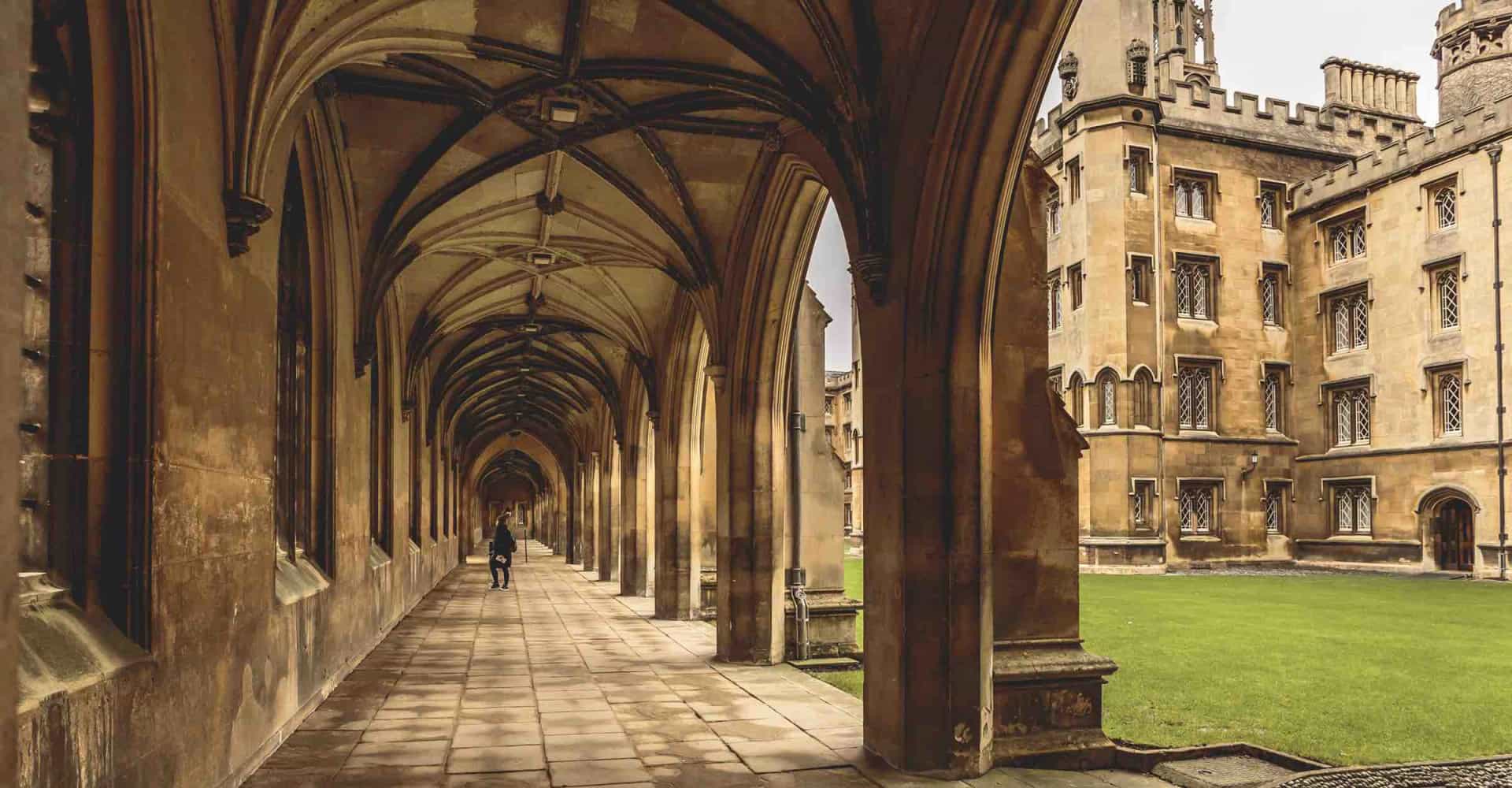
The Oxford Biology Summer Schools offer an immersive academic experience designed for individuals aged 18 to 25. Participants engage with advanced biological concepts and methodologies, fostering a deeper understanding of the discipline. This program emphasizes critical thinking and hands-on learning, providing students with the opportunity to explore diverse biological topics within a historic academic setting.
Oxford offers a focused set of Biology summer programmes for Adults, providing early exposure to structured study and subject-specific development.
The teaching approach in Oxford’s biology summer schools for adults emphasizes inquiry-based learning and critical thinking. This method encourages students to engage deeply with biological concepts rather than merely memorizing facts. Themes may range from cellular biology to ecological systems, integrating real-world applications with theoretical knowledge. Such an approach contrasts with traditional schooling, which often prioritizes rote learning over the analytical skills necessary for scientific inquiry. Instructors, typically possessing extensive experience in both teaching and research, guide students through complex topics while fostering an environment ripe for discussion and exploration.
The structure of these summer schools is designed to balance rigorous study with a collaborative atmosphere. Classes often involve a mix of lectures, interactive discussions, and group activities, creating a dynamic classroom feel. Students engage in independent research projects that complement their coursework, allowing them to apply theoretical knowledge practically. This blend of collaborative and independent work fosters a sense of community among participants while also promoting personal academic growth. Overall, the experience is challenging yet supportive, encouraging adults to immerse themselves fully in the subject matter.
Designed for individuals aged 18 to 25, these programs cater specifically to young adults seeking to deepen their understanding of biology. Participants typically possess a foundational knowledge of the subject, allowing for more advanced exploration of biological topics. This age bracket ensures that discussions and interactions among peers are relevant and engaging, fostering an environment that promotes intellectual curiosity and collaboration.
Oxford’s biology summer schools stand out due to their integration of cutting-edge research and historical context. Unlike other programs that may focus solely on current scientific trends, these summer schools often incorporate the rich intellectual heritage of Oxford, providing students with a more comprehensive understanding of biology as a discipline. This unique blend of past and present, combined with the high caliber of faculty and the vibrant academic community, creates an enriching environment that is difficult to replicate elsewhere.
Fees vary by provider and course.
When you’re ready, you can browse providers or compare courses that match your interests.
Last updated: 27/01/2026
| Course | Provider | Subject | Location | Duration | Fees | Short Description | Link |
|---|---|---|---|---|---|---|---|
| Biology in Oxford for Ages 16-18 | Immerse Education | Biology, Sciences, Medicine | Oxford | 2+ weeks | 7495 | Unravel life's complexities in Oxford, home to groundbreaking biological research and discovery. | View |
| Biology (16-17 years old) | Oxford Summer Courses | Biology, Sciences, Humanities | Oxford | 2 Weeks | 6995 | The Biology summer school at Oxford Summer Courses, designed for 16-17 years old students, provides tutorials and is priced from £6,995. | View |
| Medicine (16-17 years old) | Oxford Summer Courses | Medicine, Sciences, Biology, Psychology | Oxford | 2 Weeks | 6995 | The Medicine summer school at Oxford Summer Courses, designed for 16-17 years old students, provides tutorials and is priced from £6,995. | View |
| Science in Oxford (15-17 years old) | St Clares | Sciences, Biology, Chemistry, Natural Sciences, English, Humanities, Exam Preparation, University Preparation | Oxford | 2 Weeks | 3575 | Develop your scientific skills | View |
| Future Scientist at Headington Oxford | Summer Boarding Courses | Biology, Chemistry, Physics, Sciences, STEM | Oxford | 2 Weeks | 4595 | Future Scientists is designed for students aged 13–16 who want to challenge their understanding of the natural world and take their curiosity further. Across biology, chemistry and physics, you’ll carry out experiments, test ideas, and develop the skills that make science meaningful: observation, analysis, and clear communication. | View |
| Medicine, Health & Innovation | Sapphire Education | Medicine, Biology, Sciences, Psychology | Oxford | 2 weeks | 5990 | Explore what shapes human health and how science is transforming the future of medicine. This course invites students to delve into anatomy, genetics, and the evolving world of healthcare, uncovering how research, ethics, and innovation come together to improve lives. | View |
| Environmental Science (13-15 years old) | Oxford Summer Courses | Climate & Sustainability, Social Sciences, Economics, Politics, Humanities, Sciences, Biology | Oxford | 2 Weeks | 6995 | The Environmental Science summer school at Oxford Summer Courses, designed for 13-15 years old students, provides seminars and small group learning and is priced from £6,995. | View |
| Biology (18-24 years old) | Oxford Summer Courses | Biology, Sciences | Oxford | 2 Weeks | 6995 | The Biology summer school at Oxford Summer Courses, designed for 18-24 years old students, provides tutorials and is priced from £5,495 for Non Residential option. | View |
| Environmental Science (18-24 years old) | Oxford Summer Courses | Climate & Sustainability, Sciences, Biology, Chemistry | Oxford | 2 Weeks | 6995 | The Environmental Science summer school at Oxford Summer Courses, designed for 18-24 years old students, provides tutorials and is priced from £6,995. | View |
| Biomedical Engineering (The Oxford Tradition) | Oxbridge Academic Programs | Engineering, Medicine, Sciences, Biology | Oxford | 2 or 4 weeks | $7,395 for one session; $12,595 for combined session | Drawing on a range of disciplines, including Medicine, Engineering, Biology, and Computing, Biodmedical Engineers develop the systems and devices that make advances in medicine possible. On this course, students will develop a firm grasp of engineering principles and techniques while using medical case studies to discover how these are applied to solving a range of problems. | View |
| Medicine (Oxford) | Oxford Royale | Medicine, Neuroscience, Biology, Sciences | Oxford | 2 weeks | 6995 | Oxford Royale’s Oxford Medicine Summer School offers an immersive introduction to medicine, covering biology, genetics, neuroscience, and clinical skills. Students gain hands-on experience through OSCE-style simulations, case-based learning, and research projects, while exploring medical careers and the application process. | View |
| Biology (13-15 years old) | Oxford Summer Courses | Biology, Sciences | Oxford | 2 Weeks | 6995 | The Biology summer school at Oxford Summer Courses, designed for 13-15 years old students, provides seminars and small group learning and is priced from £5,495. | View |
| Faculty of Medicine at Oxford College | Summer Boarding Courses | Medicine, Sciences, Biology, Psychology | Oxford | 2 Weeks | 6695 | Studying at the Faculty of Medicine offers an unparalleled opportunity to delve into the world of healthcare and medical sciences. Our programme expertly combines rigorous academic learning with practical, hands-on experience, ensuring that you are thoroughly prepared for the demands of a medical career. | View |
| Genetics and Biotechnology (The Oxford Experience) | Oxbridge Academic Programs | Biology, Medicine, Sciences, Social Sciences | Oxford | 4 weeks | $12,495 | Students discover how biotechnology combines principles of biology, chemistry, physics, and engineering to create the products, processes, and technologies of the future. Through experiments and seminars they engage with pharmaceuticals breakthroughs, genetic diagnoses and therapies, sustainable biofuels, and genetically modified foods. | View |
