
Academic resilience is your ability to stay engaged, organised, and motivated in your learning, even when academic demands increase. It involves adapting how you study, managing your time effectively, and maintaining confidence in your ability to learn and improve.
This resilience helps you cope with pressure, make steady progress, and stay focused on your goals. It supports long-term success by enabling you to respond positively to feedback, manage challenges calmly, and remain committed to your learning.
Academic resilience helps you build confidence, develop effective study habits, and take greater control of your education. It prepares you to approach new academic experiences with clarity, adaptability, and self-belief, both now and in the future.
It can be developed—especially within the short, focused timeframe of a summer school course—by recognising, firstly, that you are an active agent in your learning. You arrive with prior knowledge, skills, and ways of thinking that can be refined and strengthened.
Summer school offers a purposeful space to build confidence, not through pressure or comparison with others, but with:
Structure
Summer school gives you structure by providing a clear and focused academic experience within a short period of time. You can choose from a wide range of subjects—from Arts and Humanities to Medicine and the Sciences—so you are studying something that genuinely interests you. Courses are designed for your age group, which means expectations are clear and achievable. This structure helps you organise your time, stay focused, and feel more confident in how you approach your learning.
Clarity
Clarity comes from knowing what you are working towards and how to get there. Studying at an Oxford University college places you in an environment where learning is taken seriously and curiosity is encouraged. Your course goals, teaching methods, and academic expectations are clearly explained, helping you understand what success looks like and how to work effectively. This clarity allows you to make informed choices and take greater ownership of your academic progress.
Momentum
Momentum builds as you see your learning develop day by day. The immersive nature of summer school helps you stay engaged and notice your progress over a short period of time. Alongside your academic studies, cultural and educational activities add variety and inspiration, keeping your motivation high. By the end of the course, you leave with a sense of achievement, clearer direction, and the confidence to move forward in your studies.
In this condensed environment, resilience grows through consistency and engagement. That means making steady progress, staying organised, and responding thoughtfully to feedback, which helps you develop adaptability and self-belief. Each decision to stay focused, manage your time, and participate fully reinforces your capacity to meet academic demands with confidence and composure.
Above all, academic resilience during summer school is about aligning learning with your own goals and values. By prioritising effective study habits, open communication, and self-awareness, you place yourself at the centre of the experience. This approach allows summer school to become a constructive step forward—one that supports long-term academic confidence and independence.
Courses are designed for specific age groups, ensuring tailored academic challenges. Here is a flavour of some of the outstanding schools.
Technology Explorers — Provider: Oxford Summer Courses
Ages 9–10 | UK Boarding Schools (including Harrow School) | Enrolling Now | Fees from £2,395 (1 week)
At a Glance
A fun and engaging junior summer programme designed to introduce young learners to the foundations of technology and engineering. Students explore basic programming, electronics, design and modelling through hands-on activities and problem-solving tasks. Learning is interactive and practical, encouraging curiosity, creativity and confidence in a supportive boarding school environment.
What Parents Say: From start to finish, all was so well organised and good. Our daughter, 9 years old, loved the course. Communication was very, very good. (Oxford Summer Courses)
What This Course Offers
Interactive, task-based lessons led by experienced primary teachers; small class sizes; curriculum enrichment activities; reflection sessions; supervised residential accommodation; meals; social and cultural activities; excursions; graduation ceremony; and full pastoral care—delivered by a leading UK summer school provider.
How Kids Become Academically Resilient
During the course, students build academic resilience by developing confidence in their ability to learn, explore new ideas, and stay engaged with unfamiliar topics. Through hands-on activities and guided reflection, they learn to approach tasks with curiosity, adapt their thinking, and remain focused as they work through new challenges. Living and learning in a supportive boarding school environment further encourages independence and self-belief, helping students develop a positive mindset and strong foundations for future academic learning.
Future Scientist at Canford — Provider: Summer Boarding Courses (SBC)
Ages 11–16 | Canford School | Enrolling Now | Fees from £4,250 (2 weeks)
At a Glance
A focused two-week science programme designed for students who want to understand how science works in practice. Students study biology, chemistry and physics through experiments, demonstrations and guided research, learning how to test ideas, analyse evidence and explain findings clearly. The course combines hands-on investigation with discussion of real-world scientific developments, encouraging curiosity, critical thinking and collaboration in a supportive residential setting at Canford School.
What This Course Offers
15 hours of science teaching per week; practical experiments and demonstrations; guided research tasks; group challenges and collaborative projects; experienced science educators; supervised residential accommodation; meals; excursions; extracurricular activities; progress reports; certificate of completion; and full pastoral care—delivered by one of the UK’s leading junior summer school providers.
How Kids and Teens Become Academically Resilient
Throughout the course, students build academic resilience by learning to test ideas, learn from results, and communicate their thinking with confidence. Practical investigations and group challenges encourage persistence, adaptability and problem-solving, while collaborative work helps students develop responsibility and independence. Living and learning in a structured boarding school environment further supports self-belief and focus, giving students the resilience and confidence to approach future scientific study with assurance.
Pre-University Preparation: Global Finance and Economics — Provider: Bucksmore Education
Ages 15–18 | Oxford University Colleges (including St Hilda’s College) | Enrolling Now | Fees from £3,195 (2 or 4 weeks)
At a Glance
An academically rigorous pre-university programme designed to introduce students to economics and finance at first-year undergraduate level. Students explore core principles of micro and macroeconomics, economic theory, and global financial systems, applying ideas to real-world case studies and contemporary policy debates. The course combines theoretical study with critical analysis, preparing students for the pace and expectations of university-level learning in an immersive Oxford setting.
What This Course Offers
Undergraduate-level teaching in economics and finance; theoretical analysis and case-study work; workshops focused on academic writing, problem-solving and economic analysis; real-world financial projects; guest lectures; supervised accommodation in Oxford University colleges; meals; excursions; cultural and social activities; academic materials; insurance; airport transfers; and a formal graduation—delivered by an experienced pre-university education provider.
How Students Become Academically Resilient
Throughout the programme, students build academic resilience by engaging with complex ideas, managing a demanding workload, and developing confidence in independent thinking. Rigorous academic content encourages persistence, adaptability and critical reflection, while workshops and projects help students refine study strategies and academic communication. Living and studying in a university environment supports independence, self-discipline and self-belief, equipping students with the resilience needed for successful transition to higher education.
Computational Psychology and Artificial Intelligence — Provider: Lady Margaret Hall, University of Oxford
Ages 19+ | Lady Margaret Hall, Oxford | Enrolling Now | Fees from £4,384 (3 weeks)
At a Glance
An advanced interdisciplinary programme exploring how computational models and algorithms are used to understand human cognition and inform developments in artificial intelligence. Students examine computational psychology, neuroscience and AI, analysing how mental processes can be modelled, simulated and applied to machine intelligence. The course combines theoretical study with critical discussion of emerging research, offering insight into one of the most dynamic areas of modern science.
What This Course Offers
Lectures, seminars and small-group tutorials taught by Oxford academics; weekly assessed work with personalised feedback; access to the Lady Margaret Hall College Library; a co-curricular programme of skills workshops and guest speakers; accommodation in a single bedroom at Lady Margaret Hall; meals in the College Dining Hall on teaching days; social and cultural activities including excursions; academic transcript and certificate; and a formal graduation—delivered through Oxford’s tutorial-based teaching model.
How Students Become Academically Resilient
Throughout the programme, students develop academic resilience by engaging with complex theoretical material, producing regular assessed work, and responding to detailed academic feedback. Tutorials encourage independent thinking, intellectual confidence and constructive debate, while the structured assessment process supports adaptability and sustained focus. Living and studying in an Oxford college environment further strengthens self-discipline and self-belief, equipping students with the resilience needed for advanced academic study and professional research contexts
Here is a table showing these courses in brief
| Course | Age Group | How the Course Builds Academic Resilience |
|---|---|---|
| Technology Explorers (Oxford Summer Courses) |
9–10 | Builds confidence through hands-on learning and guided reflection. Encourages curiosity, persistence, and independence in a supportive environment. |
| Future Scientist at Canford (Summer Boarding Courses) |
11–16 | Develops resilience through practical investigation, collaboration, and problem-solving. Students learn to test ideas, adapt approaches, and communicate findings confidently. |
| Pre-University Preparation: Global Finance & Economics (Bucksmore Education) |
15–18 | Strengthens resilience by introducing university-level expectations, supporting workload management, and building independent thinking and analytical skills. |
| Computational Psychology & Artificial Intelligence (Lady Margaret Hall, University of Oxford) |
19+ | Builds resilience through tutorials, regular assessment, and academic debate. Encourages adaptability, self-discipline, and confidence in advanced study. |
That feeling is exactly where academic resilience begins. Summer school isn’t about being perfect or already confident—it’s about showing up, staying curious, and building momentum in an environment designed to support you at every stage. With the right structure, clear expectations, and purposeful challenge, these courses help you discover that you are more capable than you think—and ready for what comes next.

The Technology Explorers summer school at Oxford Summer Courses, designed for 13-14 years old students, provides interactive learning and is priced from £2,295 for Non-Residential option..
View more
The Technology Explorers summer school at Oxford Summer Courses, designed for 11-12 years old students, provides interactive learning and is priced from £1,995 (Non Residential).
View more
The Technology Explorers summer school at Oxford Summer Courses, designed for 12 year old students, provides interactive learning and is priced from £2,295 for Non Residential option.
View more
The Technology Explorers summer school at Oxford Summer Courses, designed for 09-10 years old students, provides interactive learning and is priced from £2,395.
View more

Future Scientists introduces you to the methods and questions that define modern science. Across two weeks you’ll study biology, chemistry and physics through practical experiments, observation and analysis. The programme builds both understanding and technique, giving you the chance to investigate real problems and present clear scientific explanations.
View moreFuture Scientists is designed for students aged 13–16 who want to challenge their understanding of the natural world and take their curiosity further. Across biology, chemistry and physics, you’ll carry out experiments, test ideas, and develop the skills that make science meaningful: observation, analysis, and clear communication. The programme goes beyond classroom learning. You’ll investigate real-world questions, work with your peers on group projects, and practise presenting your results as scientists do. By combining theory with hands-on enquiry, Future Scientists equips you with both subject knowledge and the ability to think critically about how science shapes our lives.
View more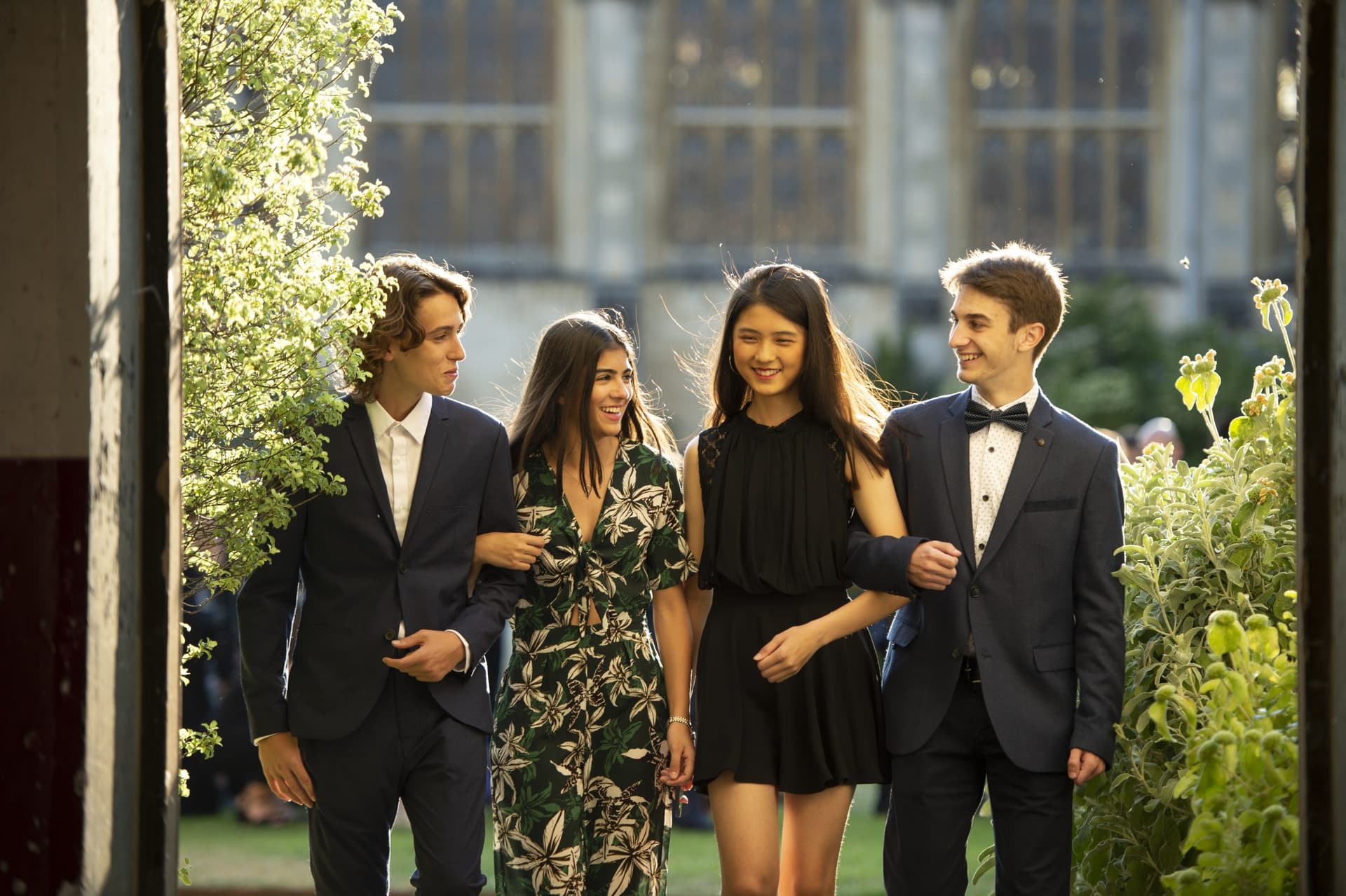

This programme prepares students to excel in their chosen subjects within the highly competitive higher education environment. Students choose one university-level subject taught at a first-year undergraduate level.
View moreThis programme prepares students to excel in their chosen subjects within the highly competitive higher education environment. Students choose one university-level subject taught at a first-year undergraduate level.
View moreThis programme prepares students to excel in their chosen subjects within the highly competitive higher education environment. Students choose one university-level subject taught at a first-year undergraduate level.
View moreThis programme prepares students to excel in their chosen subjects within the highly competitive higher education environment. Students choose one university-level subject taught at a first-year undergraduate level.
View moreThis programme prepares students to excel in their chosen subjects within the highly competitive higher education environment. Students choose one university-level subject taught at a first-year undergraduate level.
View moreThis programme prepares students to excel in their chosen subjects within the highly competitive higher education environment. Students choose one university-level subject taught at a first-year undergraduate level.
View moreThis programme prepares students to excel in their chosen subjects within the highly competitive higher education environment. Students choose one university-level subject taught at a first-year undergraduate level.
View moreThis programme prepares students to excel in their chosen subjects within the highly competitive higher education environment. Students choose one university-level subject taught at a first-year undergraduate level.
View more

How does the brain process information, make decisions, and learn? Computational Psychologists seek to answer these questions by using algorithms and mathematical models to simulate and analyse the mechanisms behind mental processes. The field has been highly influential on Artificial Intelligence research and development, as data scientists attempt to convincingly recreate human thought, speech, and behaviour in machines, a challenge Alan Turing called the ‘Imitation Game’. Introducing Computational Psychology, Computational Neuroscience, and AI, this course offers a fascinating insight into these exciting and forward-looking interconnected fields of research.
View more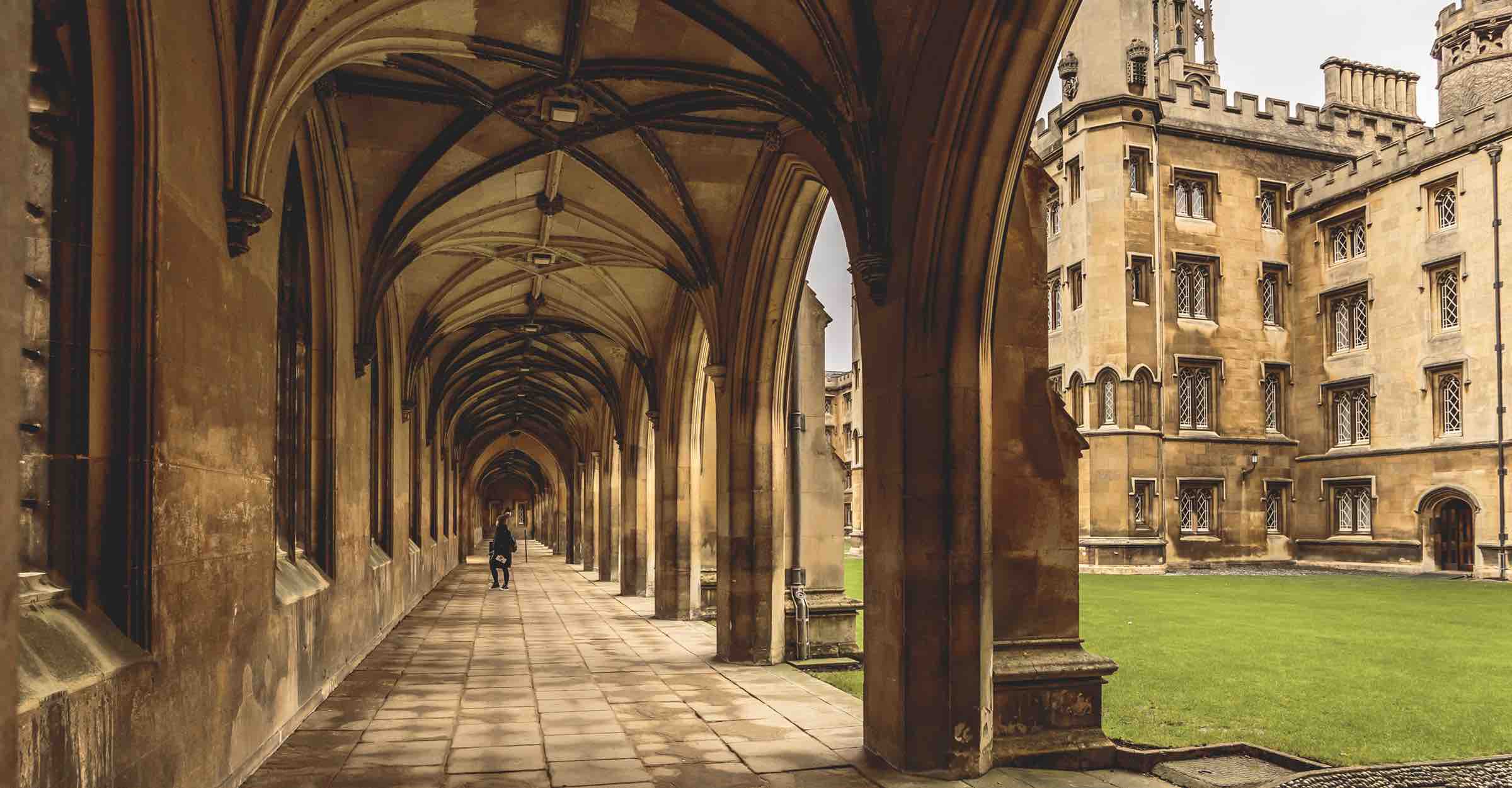
A well-established summer school offering a diverse range of academic, career-focused and English language courses, set in inspiring venues including the University of Oxford and King’s College London.
View more
Bucksmore Career Preparation Summer Programmes in Oxford & London offer dynamic, hands-on experiences in various professional fields for students aged 13-17.
View more
The English summer program by Bucksmore offers intensive English language learning at top UK universities for students aged 10-18.
View more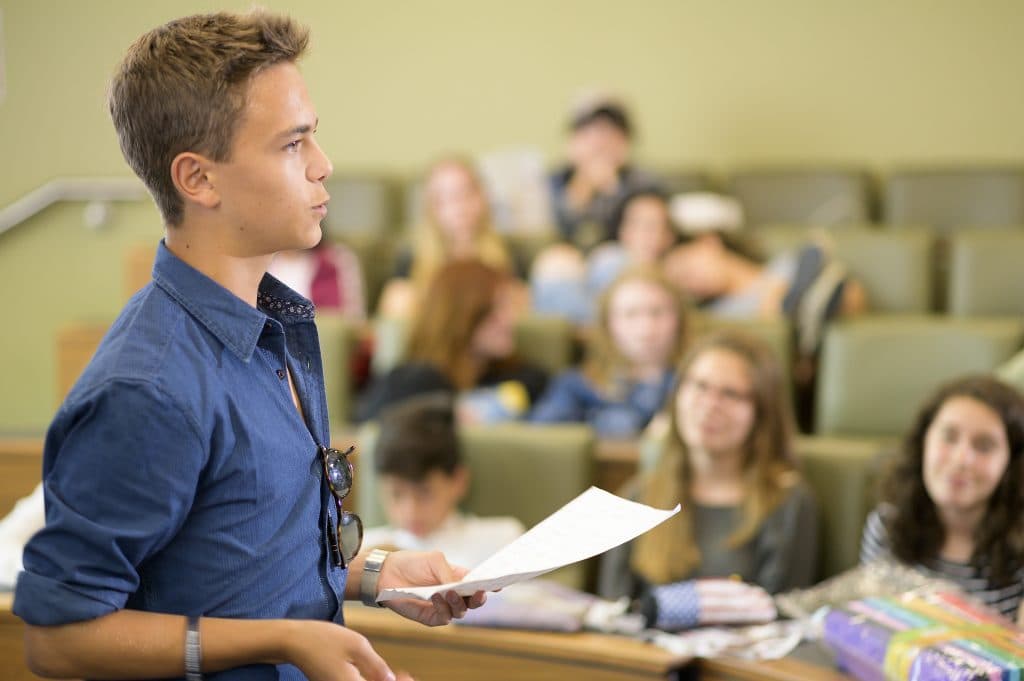
The Oxford Pre-University Preparation Programme by Bucksmore is an intensive, academic course for ambitious students, focusing on first-year undergraduate-level study and university admissions skills.
View more

Exceptional academic programmes in prestigious university settings worldwide, including the University of Oxford, designed and taught by expert tutors from world-class universities.
View more
University-style summer programmes in Cambridge and Oxford for ages 13–18, combining academic rigour, world-class teaching, and an authentic taste of student life.
View more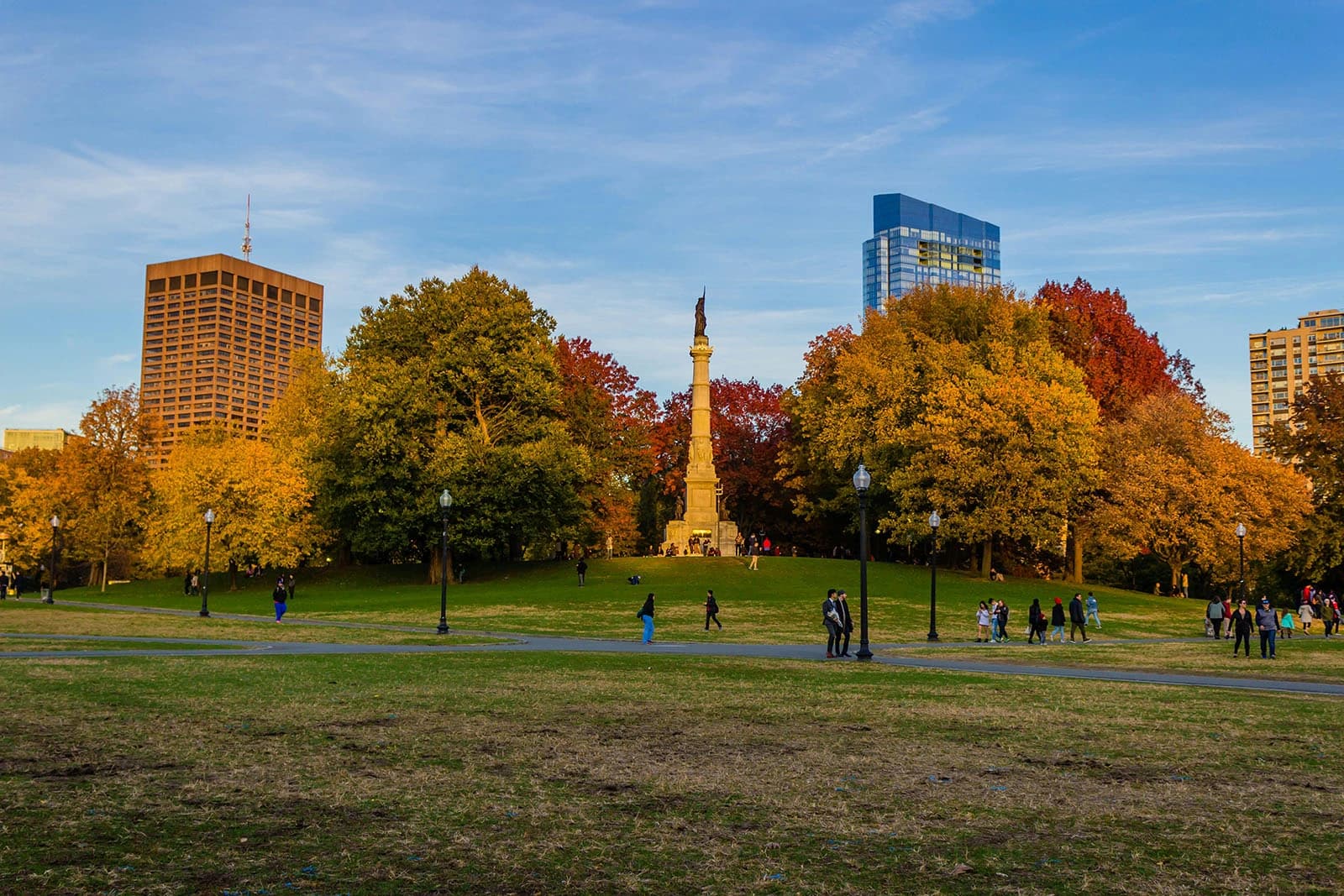
Deepen your subject knowledge and experience Boston’s history, culture, and innovation with Immerse Education’s Academic Insights summer programme for ages 15–18.
View more
The Immerse Australia Summer School in Sydney offers a unique academic and cultural experience, combining engaging subject studies with exploration of Sydney's landmarks and cultural activities for students aged 13-18.
View more
Immerse yourself in Canadian culture and university-style learning at the Toronto Academic Insights summer programme for students aged 15–18.
View more
Immerse's New York Career Insights Programme offers career-oriented learning in a vibrant city setting for ages 15-18.
View more
Immerse yourself in Tokyo’s culture and innovation through Academic Insights or Career Insights summer programmes for ages 15–18.
View more
Discover innovation at its source with Immerse Education’s Career Insights summer programme in San Francisco for ages 15–18.
View more
Experience London through Academic Insights or Career Insights summer programmes for ages 15–18, combining world-class teaching, practical skills, and the vibrant life of one of the world’s most dynamic cities.
View more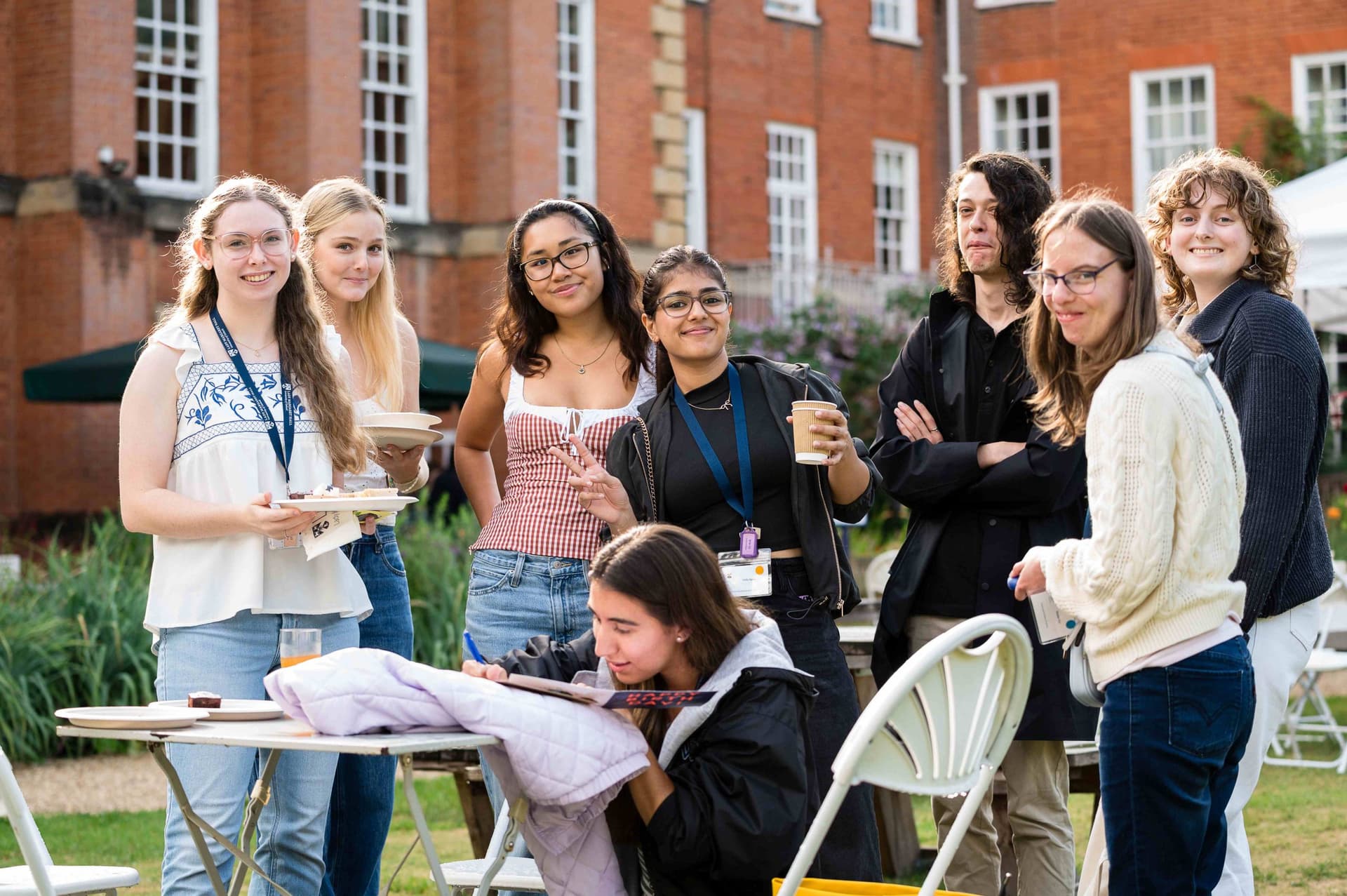
Experience Oxford University’s world-renowned tutorial teaching system, explore fascinating subjects with experts in the field, and gain new skills to take you further in your future academic or professional career.
View more